10 Mar 2026•Blackline Studio•10 min read
Interior Metal WorkBefore and AfterTransformation
In this before-and-after we show how custom interior metal work—partitions, railings, and a few key furniture pieces—transformed a residential interior. The goal was to add definition, improve flow, and align the space with a modern, material-led aesthetic without a full demolition rebuild.

Before: what we started with
The space had an open living–dining area with no clear zoning, a basic railing along the staircase, and off-the-shelf furniture that didn’t match the client’s desire for a more curated, contemporary look. The client wanted more visual order and a stronger connection between the entrance, living, and dining areas.
What we introduced
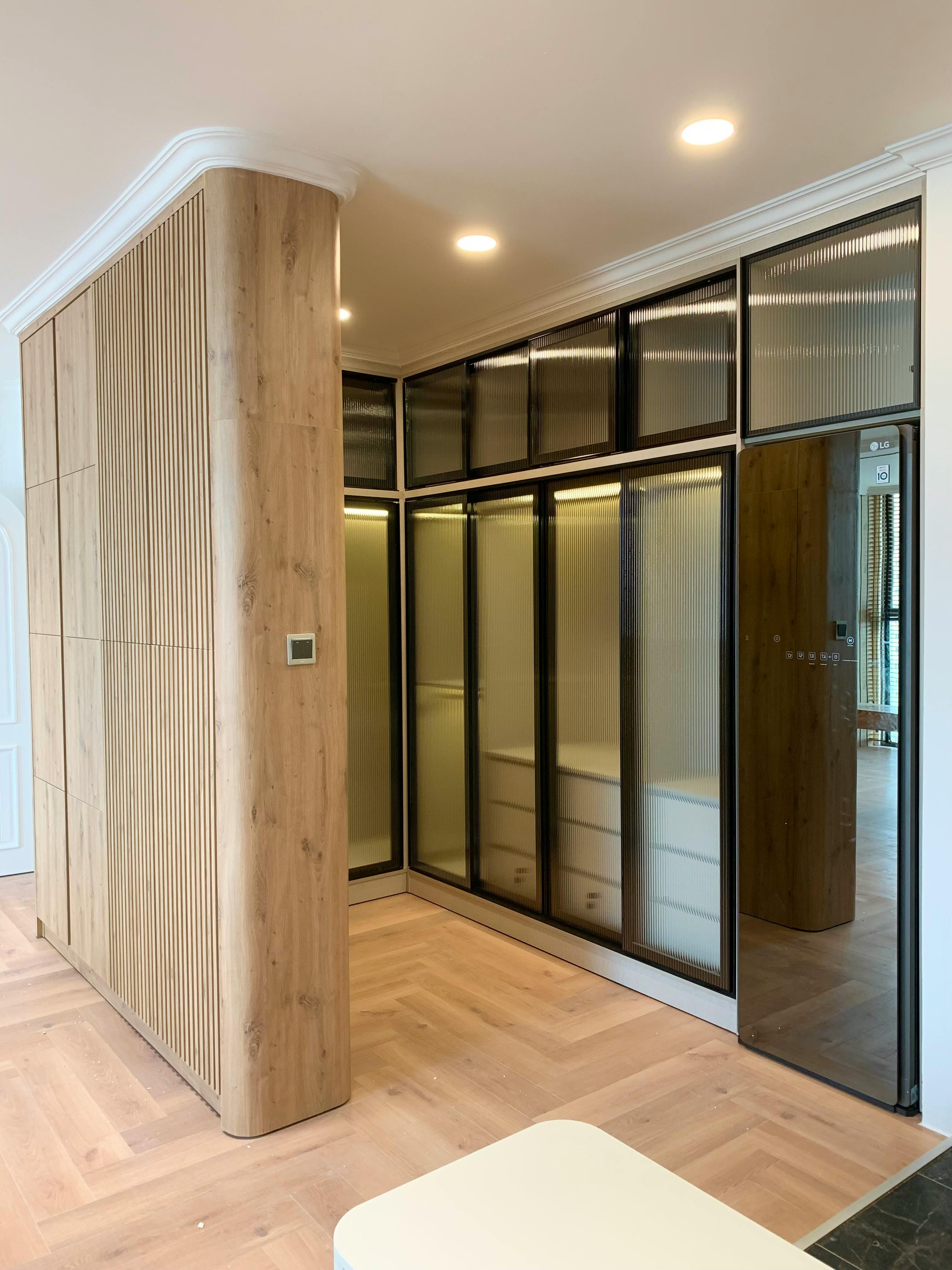
- Metal-and-glass partition – A slim-frame divider between living and dining that keeps light and sightlines but defines two zones. Frosted glass gave a bit of privacy and soft diffusion.
- New staircase railing – Replaced the old railing with a simple metal system (powder-coated) that matched the partition and main door frame for a consistent metal language.
- Custom metal-based furniture – A console and a TV unit with metal frames and mixed tops gave the living area focal pieces that fit the new material palette.

After: the result
The space now reads as one cohesive interior: entrance, living, and dining feel connected but distinct. The metal work is the visual thread—same finish, similar profile language—so it doesn’t feel like random add-ons. The client got a clear before-and-after without changing the fundamental layout.
How This Translates Into Better Project Decisions
The strongest results come when inspiration is translated into measurable project decisions: exact dimensions, suitable materials, reliable hardware, finish samples, and a clear installation sequence. That is the point where an attractive idea becomes a durable, high-performing outcome for a real home or commercial space.
- Use references as a direction, then adapt them to site conditions and usage intensity.
- Prioritize finish durability and serviceability along with visual impact.
- Review fabrication details early so execution quality supports the design idea.
Plan Your Project
Continue With Blackline Studio
Browse executed references, compare service categories, or connect with the team directly from this article.