04 Feb 2026•Blackline Studio•15 min read
Kitchen CabinetsMetal and GlassLuxury Kitchens
Glass-and-metal cabinetry is no longer a niche luxury statement. It is now a mainstream premium choice in modern Indian homes where openness, craft precision, and visual lightness are priorities.
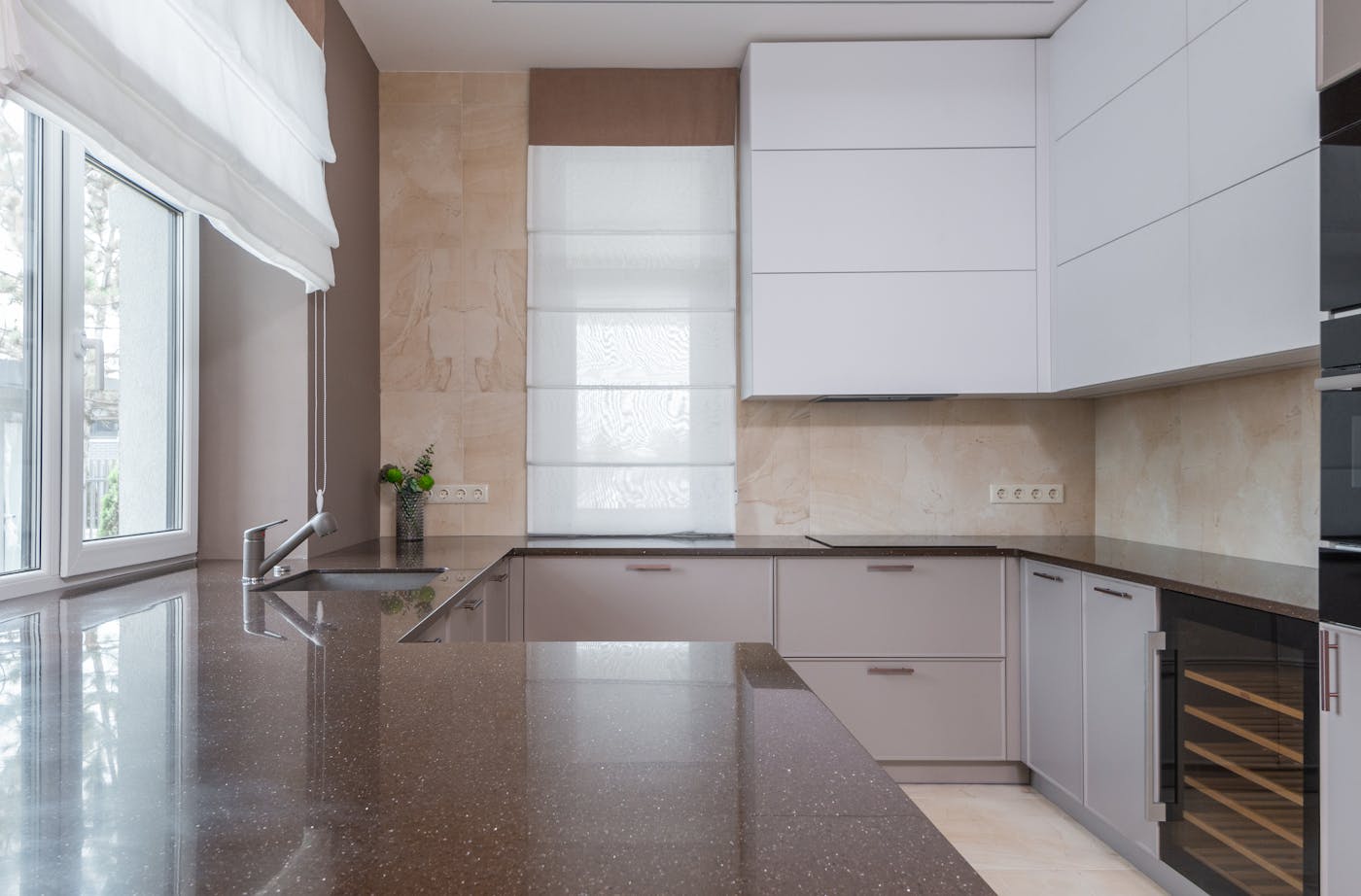
Why this format feels luxurious
- Slim metal sections create visual sharpness.
- Glass introduces depth and display value.
- Lighting through glass adds layered ambience.
- Material contrast makes the kitchen feel curated.

Use tempered glass, controlled frame thickness, and high-quality hinges. In heavy-use zones, combine these with solid shutters to avoid cleaning fatigue.

For design references, compare mixed-material executions in our portfolio projects and shortlist details that suit your maintenance preferences.

Where Glass And Metal Cabinets Work Best
Glass and metal cabinetry creates a strong visual signature because it feels architectural rather than decorative. But the combination works best in controlled zones such as tall display units, coffee corners, pantry sections, or upper cabinets where the visual openness adds value without exposing everyday clutter. The finish language should always match the maintenance habits of the household.
- Best zones: display cabinets, crockery units, bar corners, and feature storage along dining transitions.
- Use carefully: heavy-cooking zones where grease and fingerprints collect faster.
- Finish pairing: smoked glass, fluted glass, black metal, bronze metal, and warm stone surfaces usually work best together.
Execution Risks To Review Early
Metal profile thickness, glass safety specification, door weight, hinge capacity, and handle detailing should all be resolved before fabrication begins. These systems look light, but they need disciplined engineering to avoid rattling, misalignment, or high-maintenance detailing. In premium kitchens, refinement depends on millimeter-level control.
- Confirm whether the design needs toughened, laminated, clear, smoked, or textured glass.
- Check hinge/channel load against door size and frame weight.
- Review cleaning access at frame joints, profile corners, and shelf supports.
How This Translates Into Better Project Decisions
The strongest results come when inspiration is translated into measurable project decisions: exact dimensions, suitable materials, reliable hardware, finish samples, and a clear installation sequence. That is the point where an attractive idea becomes a durable, high-performing outcome for a real home or commercial space.
- Use references as a direction, then adapt them to site conditions and usage intensity.
- Prioritize finish durability and serviceability along with visual impact.
- Review fabrication details early so execution quality supports the design idea.
Plan Your Project
Continue With Blackline Studio
Browse executed references, compare service categories, or connect with the team directly from this article.