08 Jan 2026•Blackline Studio•15 min read
Modular KitchenDesign MistakesPlanning Tips
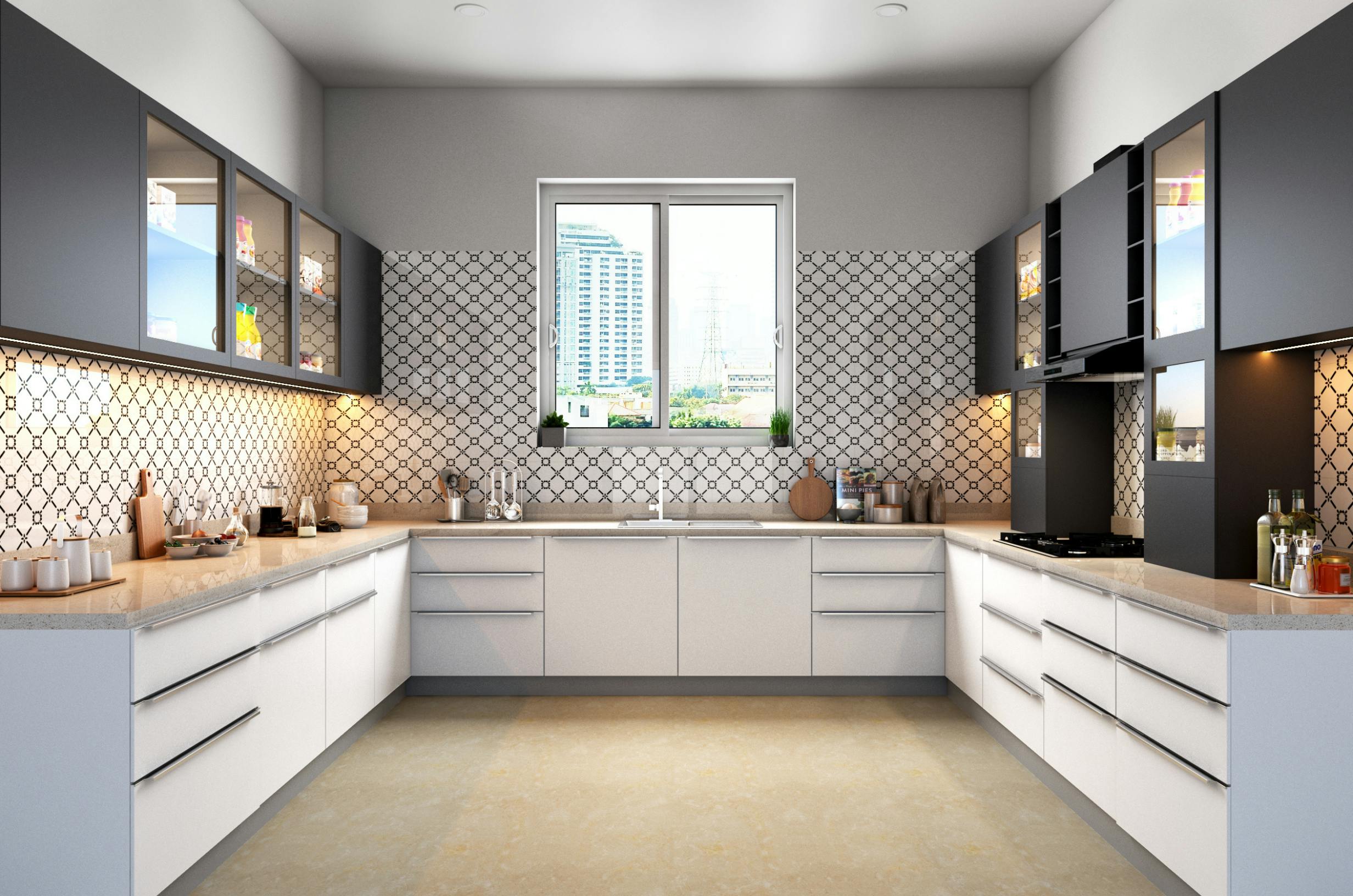
A modular kitchen should work like a well-designed workstation. When workflow is ignored, even expensive materials cannot save daily usability. Use this checklist before final execution and compare it with our completed project references to avoid avoidable rework.

Mistake 1: Ignoring the work triangle
The hob, sink, and refrigerator should have an efficient flow line. If users keep crossing paths or taking extra steps, fatigue increases and cooking quality drops.

Mistake 2: Choosing shutter style before storage logic
- Plan internal accessories first: cutlery, pantry, pull-outs, tandem drawers.
- Prioritize usage frequency before premium finish choices.
- Reserve upper cabinets for light-use storage to improve ergonomics.

Mistake 3-5: Ventilation, material mismatch, and late electrical changes
Ventilation should be engineered with chimney size, duct path, and make-up air. Moisture zones need materials that resist warping and corrosion. Electrical points must be finalized before shutter fabrication to avoid expensive alterations.
Performance Details That Change Daily Use
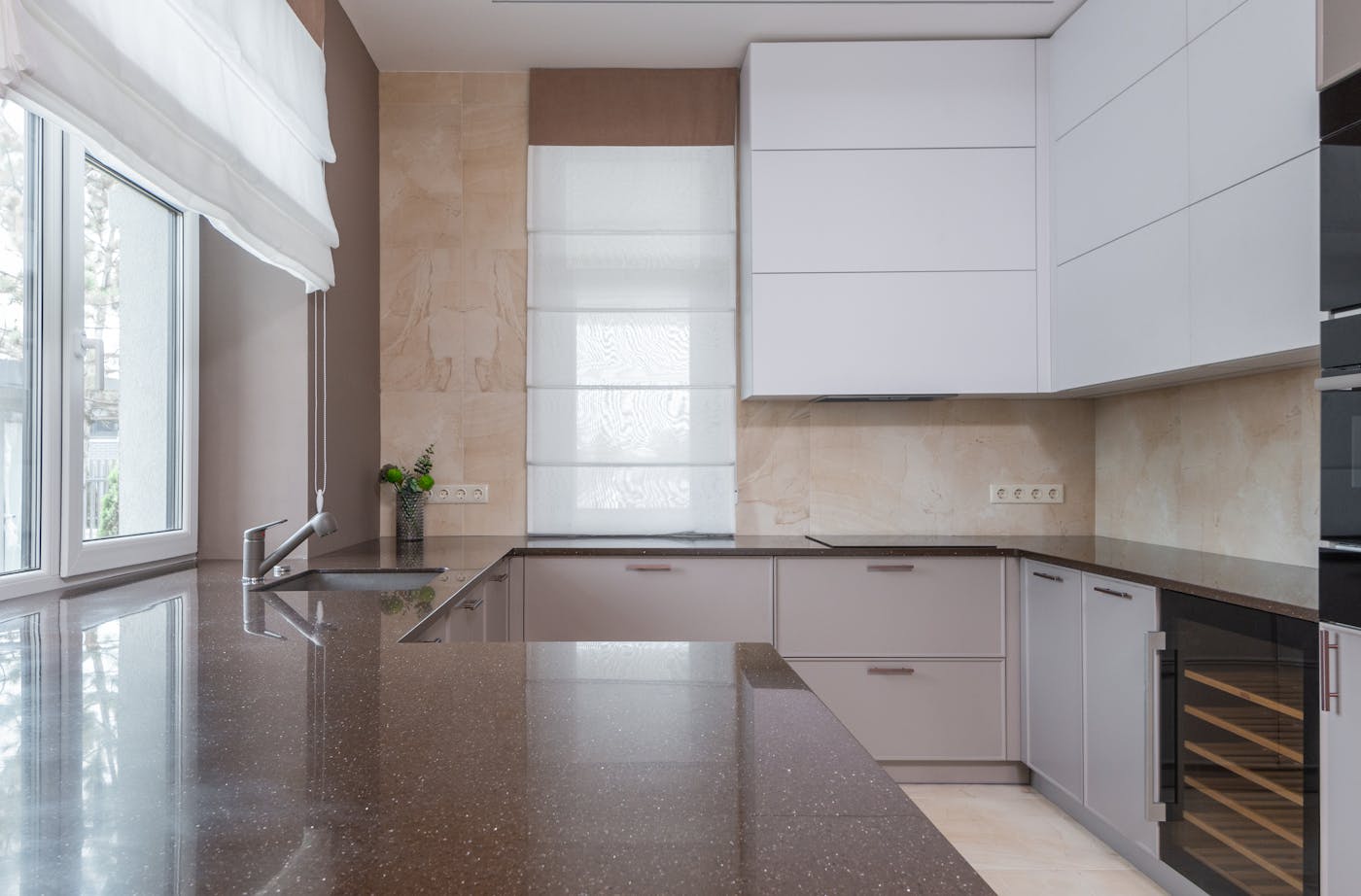
The kitchens that age well are rarely the ones with the most visual upgrades. They are the ones where drawer depth, corner access, counter landing space, chimney performance, and task lighting were treated as core design decisions from the start. In premium homes, these details decide whether the kitchen feels effortless after six months or frustrating after six weeks.
- Landing zones: Keep usable counter space beside the hob, sink, and refrigerator for real daily movement.
- Hardware logic: Use drawer systems, lift-ups, and pull-outs according to usage frequency rather than catalog trends.
- Maintenance planning: Confirm shutter material, edge banding, and countertop finish against moisture, heat, and cleaning habits.
What To Confirm Before Fabrication Starts
Before production begins, verify appliance dimensions, plumbing routes, switchboard locations, wall alignment, and civil tolerances on site. This is also the stage to lock backsplash height, under-cabinet lighting, and handle profile decisions. Small coordination errors at this point create the expensive changes later that clients usually mistake for a fabrication problem.
- Approve final site measurements, not only the concept layout.
- Freeze appliance and chimney models before carcass and shutter detailing.
- Review cleaning access around corners, tall units, and island seating before execution.
“5 Mistakes People Make While Designing a Modular Kitchen succeeds when layout, hardware, and serviceability are resolved before finish samples take over the conversation.
Blackline Studio
Plan Your Project
Continue With Blackline Studio
Browse executed references, compare service categories, or connect with the team directly from this article.